Loading ...

Course / Course Details

Teaching Strategies for Young Learners

  • SENIOR ICT ACADEMY image

    By - SENIOR ICT ACADEMY

  • 0 students
  • N/A
  • (0)

Course Requirements

To successfully complete the Teaching Strategies for Young Learners course, participants should meet the following requirements:

1. Educational Background

  • Minimum Education Level: Completion of O-Level (Senior 4) or equivalent, preferably with a focus on education or child development.
  • No formal prior training in teaching young children is required, though an interest in working with young learners is beneficial.

2. Skills & Competencies

  • Basic Communication Skills: Ability to communicate effectively in English (or course language).
  • Interest in Early Childhood Education: A genuine passion for teaching young children and supporting their development.
  • Basic Computer Skills: Ability to navigate online learning platforms, open files, and submit assignments.
  • Patience and Flexibility: Willingness to adapt to the diverse learning needs of young children.

3. Technical Requirements (For Online Learners)

  • Device: A computer, tablet, or smartphone with internet access.
  • Software Requirements: Basic familiarity with online learning tools (Zoom, Google Classroom, or other e-learning platforms).
  • Email Account: An active email address for course communication and updates.

4. Practical Experience (Optional, but Beneficial)

  • Access to a Learning Environment: While not required, having access to a classroom, daycare, or home setting with young learners will enhance the course experience. Observing children’s learning can provide real-world insights and help apply course concepts.

5. Course Engagement

  • Active Participation: Willingness to engage in online discussions, group activities, and practical assignments.
  • Assignments & Quizzes: Completion of quizzes, case studies, and teaching practice assignments throughout the course.
  • Final Project: A final project (e.g., a lesson plan or teaching demonstration) that integrates learned strategies.

This course is designed to be accessible to a wide audience, regardless of prior experience in teaching, as long as the participant is eager to learn and apply effective teaching methods for young learners.

Course Description

Teaching young learners (ages 3-10) requires specialized strategies that align with their developmental needs. This course is designed to equip educators, caregivers, and parents with effective teaching methods that foster cognitive, social, emotional, and physical growth in young children. Participants will explore interactive and engaging teaching techniques that make learning enjoyable and effective.

Course Objectives

By the end of the course, participants will be able to:

  1. Understand Child Development and Learning Styles

    • Recognize key developmental milestones in early childhood.
    • Identify different learning styles (visual, auditory, kinesthetic).
    • Adapt teaching strategies to suit individual learner needs.
  2. Implement Age-Appropriate Teaching Strategies

    • Use hands-on and experiential learning methods.
    • Develop structured yet flexible lesson plans.
    • Incorporate storytelling, music, movement, and art into teaching.
  3. Manage Classroom Behavior Effectively

    • Create a positive and inclusive learning environment.
    • Use positive reinforcement and behavior management techniques.
    • Develop strategies for handling common classroom challenges.
  4. Integrate Play-Based and Interactive Learning

    • Understand the role of play in early childhood education.
    • Use role-playing, games, and group activities to enhance learning.
    • Encourage curiosity, creativity, and critical thinking through play.
  5. Use Technology and Digital Tools for Teaching

    • Explore educational apps and online resources for young learners.
    • Implement interactive learning through digital storytelling and multimedia.
    • Balance screen time with hands-on learning activities.
  6. Develop Effective Communication and Engagement Skills

    • Foster positive teacher-student and parent-teacher relationships.
    • Use simple, clear, and engaging language when teaching.
    • Encourage active participation and collaboration among children.
  7. Assess and Track Young Learners' Progress

    • Use informal and formal assessment methods to evaluate learning.
    • Provide constructive feedback to support children’s growth.
    • Adapt teaching methods based on assessment results.

Who Should Take This Course?

  • Early childhood educators and primary school teachers.
  • Parents and caregivers supporting home learning.
  • Tutors, babysitters, and childcare professionals.
  • Anyone interested in early childhood education and development.

Course Format & Certification

  • Mode: 100% online with interactive modules, videos, and practical exercises.
  • Duration: Flexible, self-paced learning (typically 4-6 weeks).
  • Assessment: Quizzes, assignments, and a final teaching project.
  • Certification: A Certificate of Completion is awarded upon successful completion.

This course provides a strong foundation for teaching young learners, ensuring that they develop essential skills in a nurturing and stimulating environment.

Course Outcomes

Upon successful completion of the Teaching Strategies for Young Learners course, participants will be able to:

  1. Understand Child Development and Learning Needs

    • Demonstrate knowledge of the key stages of child development (cognitive, social, emotional, and physical).
    • Identify the learning needs of young children and apply developmentally appropriate teaching strategies.
  2. Implement Effective Teaching Strategies

    • Use a variety of teaching methods, including hands-on activities, storytelling, music, movement, and art, to engage young learners.
    • Adapt teaching techniques to cater to different learning styles (visual, auditory, kinesthetic) and developmental stages.
  3. Create Positive and Engaging Learning Environments

    • Design and implement age-appropriate lesson plans and activities that encourage curiosity, creativity, and active participation.
    • Establish a classroom environment that fosters positive interactions, mutual respect, and effective learning.
  4. Manage Classroom Behavior Effectively

    • Use positive reinforcement techniques and behavior management strategies to address common classroom challenges.
    • Apply methods to maintain order, minimize disruptions, and ensure children feel supported and valued.
  5. Integrate Play-Based and Interactive Learning

    • Recognize the importance of play in early childhood education and use play-based strategies to enhance learning.
    • Facilitate group activities, games, and role-playing to build critical thinking, social skills, and creativity.
  6. Leverage Technology for Early Learning

    • Integrate age-appropriate digital tools and educational apps into lesson plans to enhance children’s learning experiences.
    • Understand the balance between screen time and hands-on learning for young children.
  7. Assess and Track Young Learners’ Progress

    • Utilize informal and formal assessment techniques (e.g., observations, portfolios) to monitor children’s progress and learning outcomes.
    • Provide constructive feedback and adjust teaching strategies based on assessment results to meet individual learner needs.
  8. Build Strong Relationships with Students and Families

    • Establish positive communication with parents and caregivers to support children’s learning both in and outside the classroom.
    • Foster strong teacher-student relationships that promote trust, engagement, and motivation.
  9. Apply Ethical and Professional Practices

    • Understand the ethical considerations and professional standards for working with young children.
    • Demonstrate respect for children’s rights, dignity, and individuality while maintaining a nurturing and supportive educational environment.

By completing this course, participants will be fully equipped with the tools and knowledge to create dynamic, supportive, and effective learning experiences for young children.

Course Curriculum

  • 10 chapters
  • 65 lectures
  • 0 quizzes
  • N/A total length
Toggle all chapters
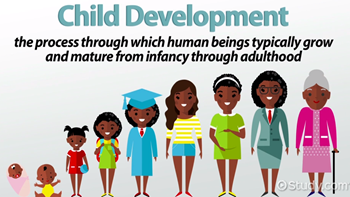
1 Introduction to Child Development
N/A


2 Early Childhood Development
N/A


3 Sigmund Freud’s Psychosexual Theory
N/A


4 Erik Erikson’s Psychosocial Theory
N/A


5 Behaviorism
N/A


6 Jean Piaget’s Theory of Cognitive Development
N/A


7 Lev Vygotsky’s Sociocultural Theory
N/A


8 Urie Bronfenbrenner’s Ecological Systems Model
N/A


9 Conclusion
N/A


10 Chapter Objectives & Introduction
N/A


11 Principles of Development
N/A


12 Periods of Development
N/A


13 Issues in Development
N/A


14 Research Methods
N/A


15 Consent and Ethics in Research
N/A


16 Developmental Theories: What is a theory?
N/A


1 Professionalism and Ethics in Early Childhood Programs
N/A


2 Professionalism in Early Childhood: What Every Educator Should Know
N/A


3 PROFESSIONALISM & ETHICS IN EARLY CHILDHOOD EDUCATION
N/A


4 Professional Ethics
N/A


5 The Code of Ethics for Professional Teachers
N/A


6 Early Childhood Australia Code of Ethics - Commitments in relation to Families
N/A


1 Teacher and parent relationships
N/A


2 How to Build a Strong Parent-Teacher Relationship
N/A


3 Strategies for Encouraging Parental Involvement in Learning
N/A


1 Logical Framework or Logframe | Project Monitoring & Evaluation Basics
N/A


2 Monitoring and Evaluation Course
N/A


1 Technology integration in early childhood education
N/A


2 Technology in Early Childhood Family Education Classrooms
N/A


3 Technology in Early Childhood
N/A


4 Technology in Early Childhood
N/A


5 Technology for Early Childhood Education- MUSIC
N/A


6 ICT in early childhood education
N/A


7 Can ICT use in early childhood education programs benefit young children?
N/A


8 Tools of Inclusion: Assistive Technology for Young Children
N/A


9 Integration of Technology in the Classroom
N/A


10 What Are The Benefits Of Integrating Technology In The Classroom? - Aspiring Teacher Guide
N/A


11 Technology in Education
N/A


12 INTEGRATING TECHNOLOGY IN THE CLASSROOM
N/A


13 5 Things to Look for When Choosing Technology Tools for K-2 Students
N/A


14 Making Use of Technology in Early Childhood Education
N/A


15 Technology in Kindergarten
N/A


16 How to Use Education Technology
N/A


17 Why Is Technology Important In Education?
N/A


18 Technology for Teaching and Learning
N/A


19 The Future of Learning
N/A


1 The Importance of Play in Early Childhood Education
N/A


2 Play Based Learning Definition and Benefits
N/A


3 Child’s play? The role of play and games in teaching preschool children
N/A


4 100 Tips for Positive Discipline
N/A


1 Techniques for Effective Teaching
N/A


2 Positive Discipline and Classroom Management
N/A


1 Learning Styles & Multiple Intelligences: Theory Integration
N/A


2 What all teachers and schools need to know about Learning Styles.
N/A


3 Differentiation in Teaching and Learning
N/A


1 Approaches, Methods and Techniques for Young Learners
N/A


2 HOW DIFFERENT ARE THE TERMS: APPROACH, METHOD, STRATEGY AND TECHNIQUE IN TEACHING
N/A


3 Teaching Methodologies
N/A


4 Special Education Teaching Strategies
N/A


5 Teaching Approaches, Methods, Procedures, Techniques, and Strategies
N/A


1 Digital Literacy [Final Project]: Lessons, Reflections, and Insights
N/A


2 Final project reflection
N/A


3 Final Project reflection presentation
N/A


4 Critical Reflection,Thinking and Writing: Social Work
N/A


5 PROFESSIONAL EDUCATION CHILD AND ADOLESCENT DEVELOPMENT
N/A


Instructor

SENIOR ICT ACADEMY

As the Super Admin of our platform, I bring over a decade of experience in managing and leading digital transformation initiatives. My journey began in the tech industry as a developer, and I have since evolved into a strategic leader with a focus on innovation and operational excellence. I am passionate about leveraging technology to solve complex problems and drive organizational growth. Outside of work, I enjoy mentoring aspiring tech professionals and staying updated with the latest industry trends.

5 Rating
3 Reviews
397 Students
87 Courses

Course Full Rating

0

Course Rating
(0)
(0)
(0)
(0)
(0)

No Review found

Sign In or Sign Up as student to post a review

Student Feedback

Course you might like

Beginner
Introduction to Teaching and Education
0 (0 Rating)
his course provides a foundational understanding of teaching principles and the education system. It is designed for asp...
Beginner
Child Development and Learning Theories
0 (0 Rating)
This course explores the fundamental principles of child development and various learning theories that shape children's...

You must be enrolled to ask a question

Students also bought

More Courses by Author

Discover Additional Learning Opportunities